Why your interior design selections should happen early
Your tiler is booked, but the tiles aren't.
Finding out your tiles are out of stock the week the tiler arrives is already too late. Most people think the hard part of interior design selections for a renovation is choosing, but the hard part is choosing in time.
Why interior design decisions need to happen before construction
Interior design isn't the decorating stage at the end of a project, because your interior selections shape quotes, ordering, quantities, installation and trade sequencing.
Your builder needs confirmed selections early
Confirmed selections let your builder check quantities, supplier availability and installation requirements while there's still time to act.
Lead times can affect your renovation timeline
Stock runs out, ranges get discontinued and special-order materials arrive weeks after you expected them. None of this is dramatic on its own, but it becomes a problem when nobody checked before you committed.
What fixtures and finishes should you choose early?
Anything that's ordered, cut, plumbed or fixed in place should be decided early.
Tiles, flooring and stone
Order the full quantity in one go, with an allowance for wastage. Tiles and stone vary between batches, so a late top-up may not match your original order. Ask how much stock your supplier holds before you commit.
Tapware, basins and bathroom fixtures
Your plumber needs exact specifications, because interior fixtures come with set hole positions, spout reaches and rough-in requirements. Change the tap late and you may end up changing the plumbing too.
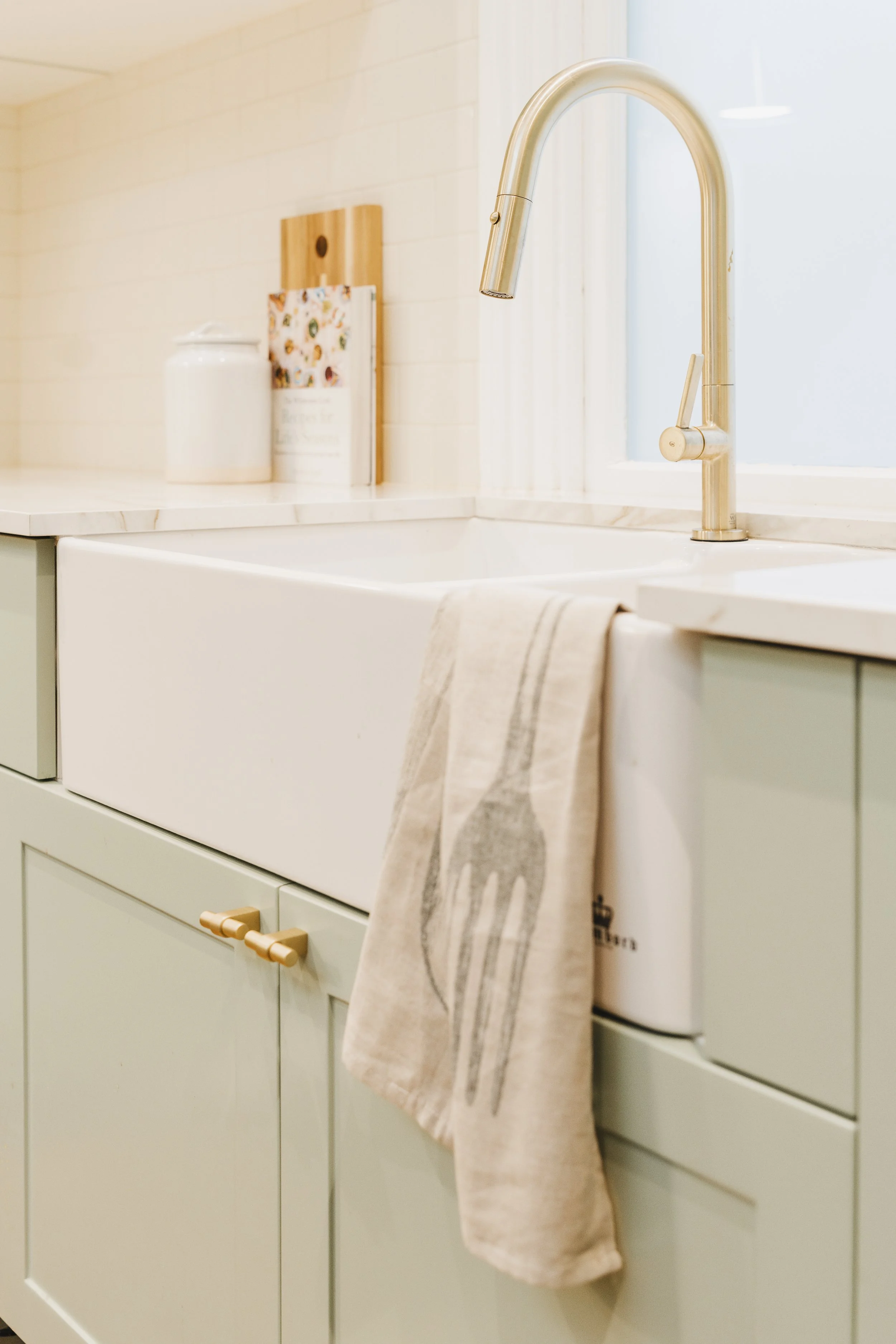
Why your interior design selections should happen early.
Cabinetry, benchtops and hardware
These selections must be designed together, since door style, benchtop edge, handle size and stone thickness all affect each other. Choose them separately and you end up with mismatched fittings and a joiner full of questions.
Lighting, paint and finishing details
Smaller selections still count, and light fittings, paint colours and switch plates should follow the same direction as your larger materials. They are what makes a renovation look considered rather than assembled.
How late selections can delay a renovation
Delays rarely come from one big mistake, because they usually come from small decisions that arrive late.
The product you want is out of stock
The tile you chose in the showroom is now on backorder for weeks, and their next opening may be a long way off.
You're forced to choose a replacement quickly
Urgency changes the question you're asking. You stop asking what's right for the space and start asking what's available by Friday, which turns a design decision into a reactive one.
One delayed decision can affect several trades
Tiles often need to be down before the vanity is fitted and the plumber returns. One late selection can push back every trade that follows, which happens more often than people expect.
Last-minute substitutions can compromise the overall design
A replacement tile might suit the floor but fight the tapware, and undertones clash or scale feels off. I see this often, and it's rarely solved with a single swap.
When should you choose fixtures and finishes for a renovation?
Ideally, establish your fixtures and finishes direction before construction begins, so your builder has time to verify quantities, specifications, stock and expected lead times. Lead times vary by product and supplier, so there's no single number of weeks that suits every project.
What your builder needs from your interior selections
Product and supplier details
Your builder needs facts rather than inspiration. For every item, provide the product name, supplier, finish or colour, dimensions, product code, link and room.
A clear, coordinated design direction
A Pinterest board isn't a specification, because it shows mood rather than materials. A finishes schedule turns that mood into one record that your builder, trades and suppliers can all work from.
Interior design is easier when decisions aren't left until site
Reactive selections sound like "What does the builder need tomorrow?" while planned selections sound like "Here's the direction we're working towards." One is stressful and the other is a plan.
A simpler way to plan your renovation selections
THE EDIT was created to move those decisions forward. Instead of waiting until your builder needs an answer, you begin with a complete, designer-curated direction. Selections are already coordinated and products are clearly specified, which makes communication with your builder far easier.
Give your builder more time to check availability
Every product is specified before work begins, so your builder can confirm stock and quantities early. That is when a problem is still a phone call rather than a delay.
Make substitutions before they become urgent
If a product is unavailable, you have time to source an alternative that suits the design, not just the deadline, and nothing is rushed.
Start your renovation with the decisions already made
Choose your interior direction before construction starts, not when your builder is waiting for an answer. Explore THE EDIT.

With over 10 years of experience in residential and retail design, Isabella Ghaly brings professional design thinking to every detail of The Edit.
A UTS Interior and Spatial Design graduate with expertise in kitchen renovations to multi-duplex developments she understands how to turn inspiration into practical, well considered specifications.
The Edit distils that experience into clear, usable selections you can confidently source and apply to your own project.