Stop saving inspiration you can't source in Australia
You've saved the image a hundred times. The limestone bathroom, the oak joinery, the exact green of that kitchen. Then you go looking for interior design suppliers who actually stock it here, and the trail runs cold.
That gap between what you love and what you can buy is where most renovations lose momentum. It's not that the room doesn't exist. Nobody told you where to buy it.
The Problem With Interior Design Inspiration
Pinterest and Instagram made global interiors visible. They didn't make them buyable. You can see a Copenhagen kitchen in seconds. Sourcing it in Sydney is another matter entirely. The image travels instantly. The supply chain doesn't.
Inspiration and specification are not the same thing
An inspiration image shows you what you like. A specification tells you how to achieve it: the product, the finish, the colour, the supplier, the price. Most people stop at the picture and hope the rest sorts itself out on site. It rarely does.
Why overseas interiors become difficult to source in Australia
That French oak floor was never sold here. That fitting was discontinued last year. Shipping a European tap costs more than the tap. Every one of these sends you hunting for a local alternative, usually mid-build, usually under pressure. Your builder needs an answer this week, not next month.
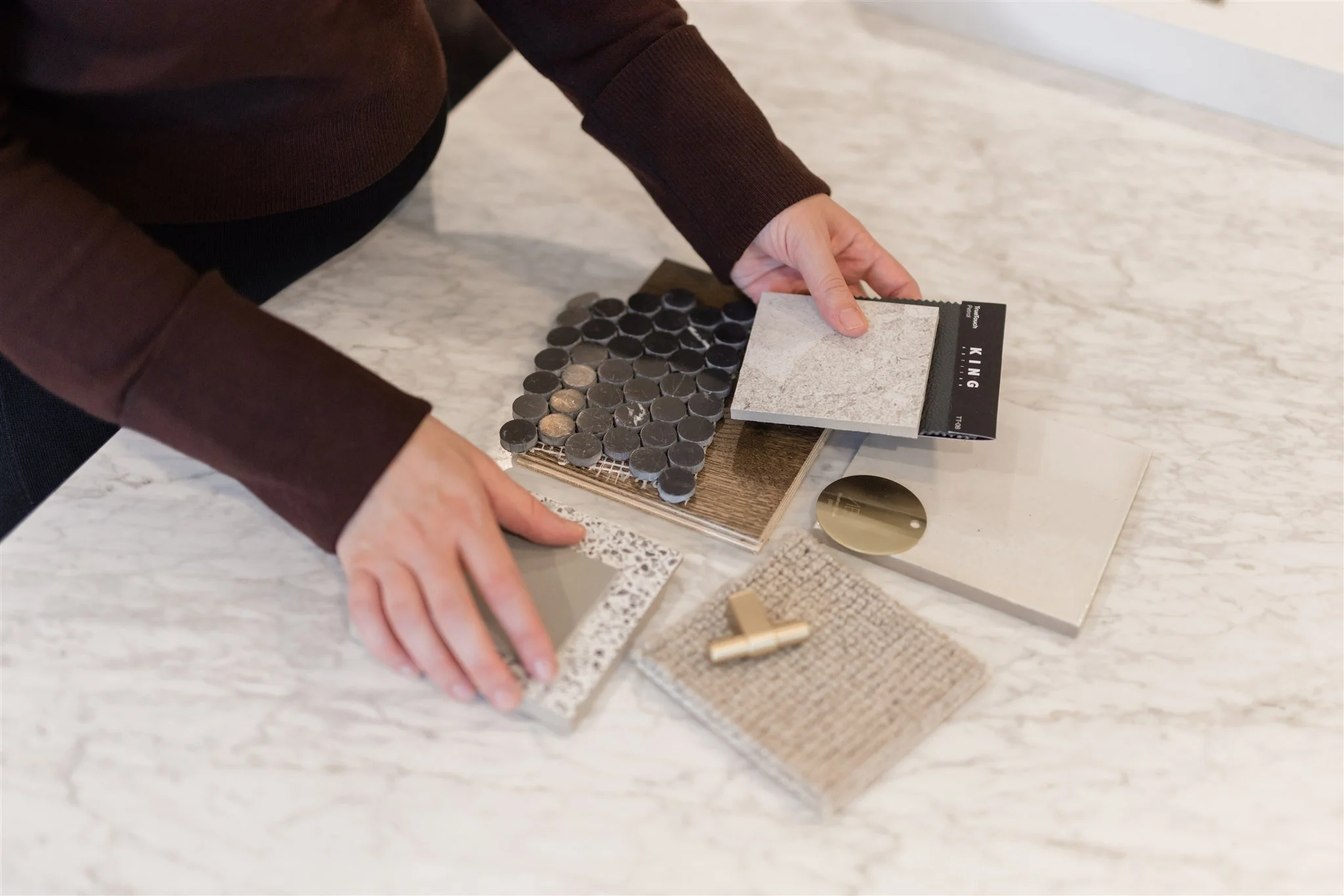
Discover how The Edit turns inspiration into sourced interior design finishes, products and suppliers available for Australian projects.
What to Look for in Interior Design Suppliers
Not every supplier with a nice catalogue is useful to your project. Plenty look impressive and lead nowhere. A few things actually matter.
Australian product availability
If it can't be delivered here in a reasonable timeframe, it's not a real option. Treat availability as a filter, not an afterthought.
Clear product names, codes and finish information
"Warm oak cabinetry" isn't a specification. A product name, colourway and code is. Vague descriptions are how the wrong tile turns up on site.
Samples, stock and lead times
A beautiful product with a four-month lead time can stall your whole build. Ask about stock and samples before you fall in love with it.
Choosing Interior Design Finishes That Work Together
Finishes aren't chosen one at a time. They're chosen as a set that has to sit together for decades.
Flooring, tiles and stone
These carry the most visual weight and are the hardest to change later. Get the undertone right first; everything else follows it.
Joinery, cabinetry and hardware
Joinery sets the palette's warmth or coolness. Hardware is the detail that either sharpens that palette or undoes it.
Paint, lighting, tapware and fixtures
These finish the story the bigger materials started. Match warmth to warmth, and finish to finish, across every room.
From Saved Image to Interior Design Specification
Turning a screenshot into a build-ready selection follows a process, not a mood.
Step 1: Identify the design direction
Pull out the material, the colour, the proportion, the texture. Not the exact tile. The feeling behind it.
Step 2: Translate the look into actual products
A "warm limestone bathroom" becomes a specific tile, a vanity finish, a tapware colour, a paint match. This is where interior design suppliers earn their place in the process.
Step 3: Confirm the products can actually be sourced
Check stock, lead time and price before it's locked into a drawing. A selection that can't be delivered isn't a selection.
What a Usable Interior Specification Should Include
A real specification names the product, the colour or finish, the product code, the supplier and a link, plus where it's applied. Dimensions and availability round it out. Anything less is a mood board wearing a spreadsheet's clothes.
Why Australian Sourcing Should Happen Earlier
Most people design first and source later, then discover their dream material doesn't exist here. By then the drawings are done and the trades are booked. Availability isn't paperwork to sort out after the fact. It's part of good design, decided at the same time as the colour palette, not after it.
How The Edit Turns Inspiration Into Something You Can Specify
Because you now know what a real specification requires, this part won't feel like a pitch.
Curated interior design finishes
Every product in The Edit was chosen as part of one cohesive direction, not pulled together at random.
Interior design suppliers relevant to Australian projects
Every supplier is Australian and every product listed is something you can actually order, not admire from overseas.
From design direction to decision, faster
Instead of saving an interior and reverse-engineering it later, The Edit starts with the end point: a direction you can specify and source immediately.
Stop Saving Interiors You Can't Source
Good design isn't just something you can picture. It's something you can specify, source and build. The Edit exists for the gap between those two things, so your next saved image ends up on site, not in a folder.
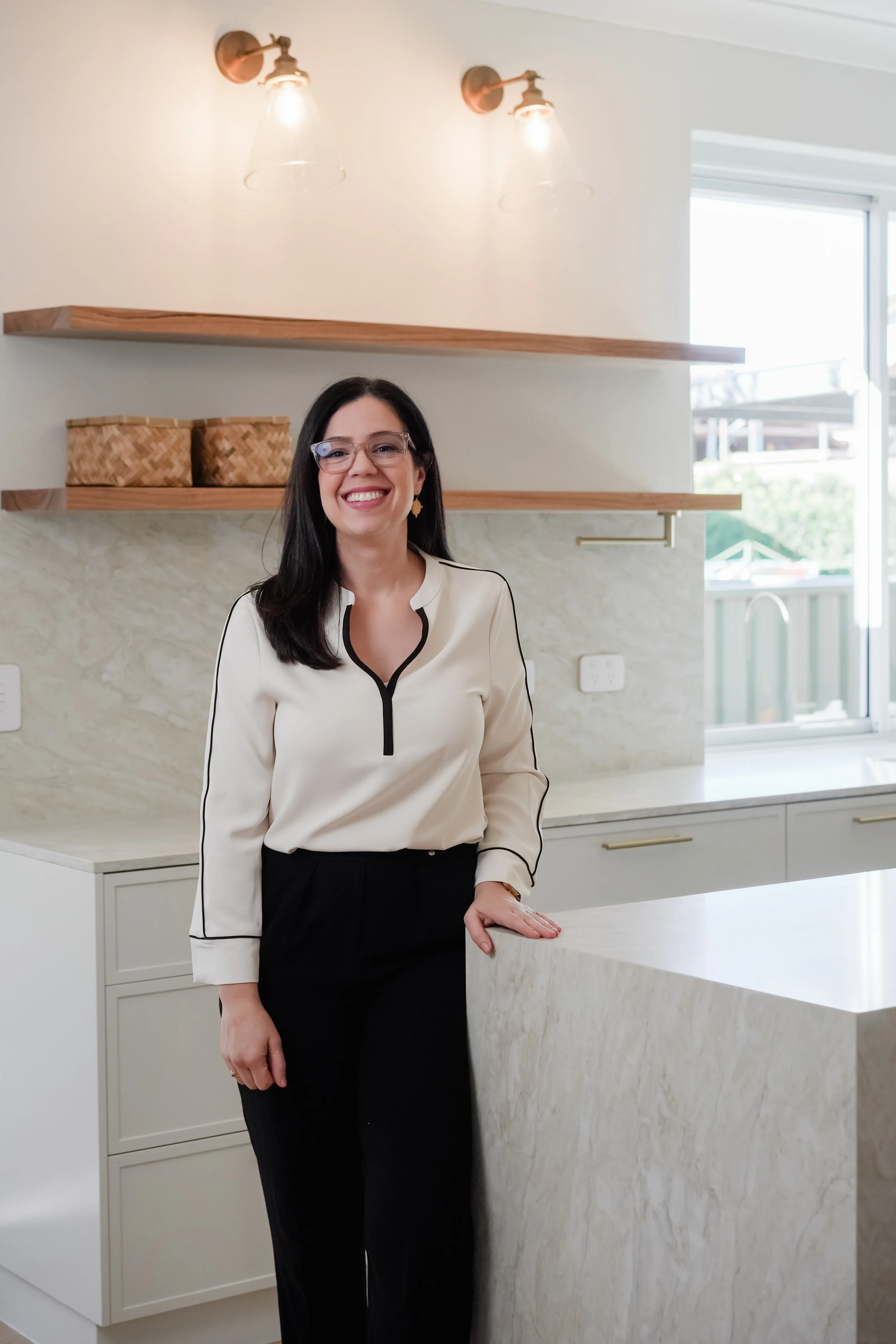
With over 10 years of experience in residential and retail design, Isabella Ghaly brings professional design thinking to every detail of The Edit.
A UTS Interior and Spatial Design graduate with expertise in kitchen renovations to multi-duplex developments she understands how to turn inspiration into practical, well considered specifications.
The Edit distils that experience into clear, usable selections you can confidently source and apply to your own project.