Interior Design Selection Guide: Splurge vs Save
Every showroom is designed to make you spend more.
By the time you’ve picked a benchtop, flooring, tapware and lighting, you’ve mentally upgraded your whole budget. Nobody blows it on one bad choice. They blow it on twenty good ones they didn’t really need.
One rule beats any spreadsheet: spend where the choice is permanent, or where you’ll touch it every day. Save where a less expensive option gets you ninety percent of the look.
That means putting more money into things that are difficult to replace later, and being more relaxed about what you can change without demolition.
Flooring is a good example. It runs through large parts of the home, takes constant wear and is a pain to replace once you’ve moved in. This is generally a place to spend.
That doesn’t mean choosing the most expensive option. It means choosing something suited to the way you live. If you have kids, pets or a high-traffic home, durability matters more than the label on the sample. Spend more in the main living areas, then consider a good laminate or more economical finish in secondary spaces.
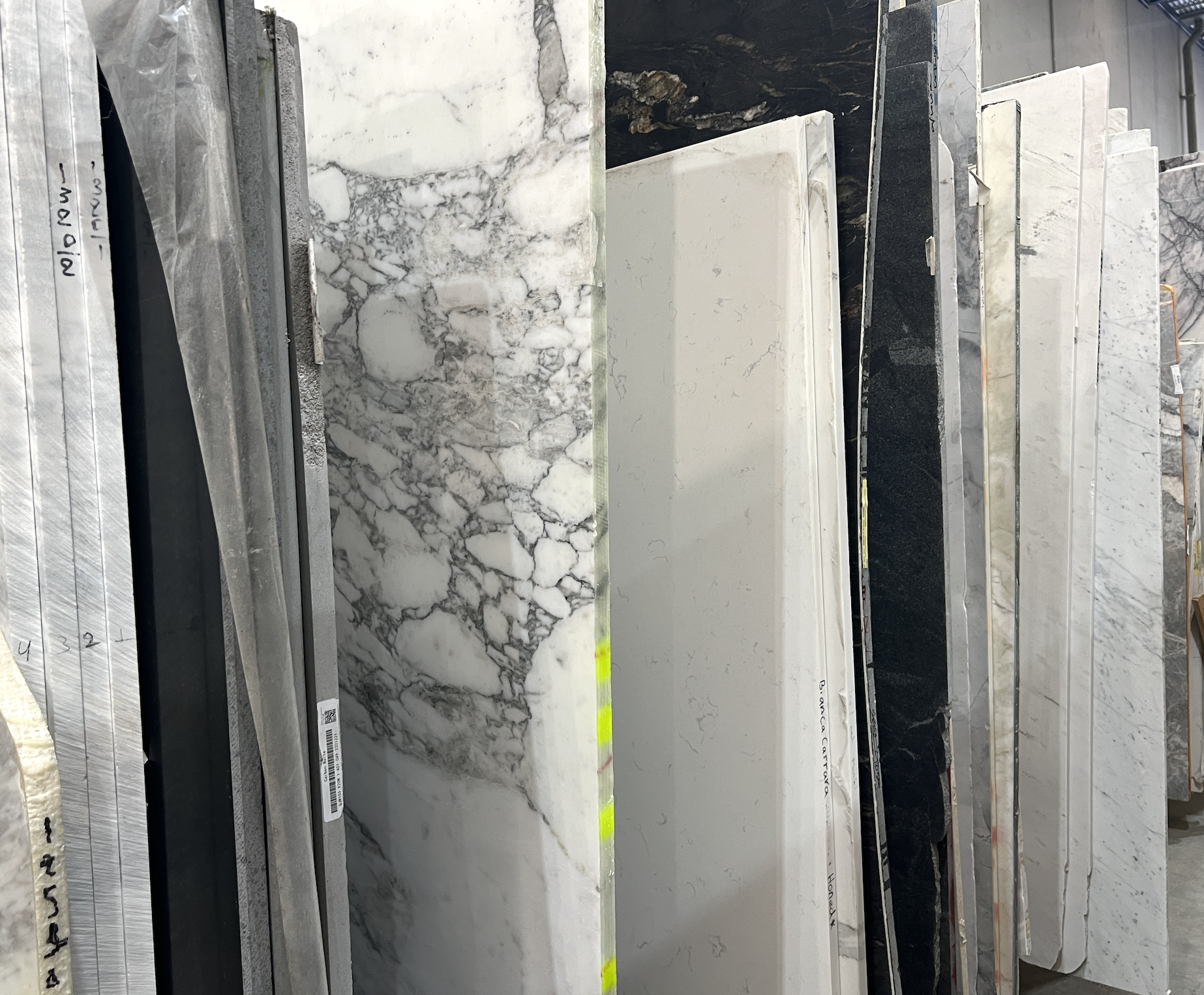
Kitchen cabinetry is another place where spending in the right area matters.
Put the money into the carcass, hinges and drawer runners, the parts you don’t notice until they stop working. A well-chosen laminate door can look clean and considered without the cost of premium veneer. Once the kitchen comes together, proportion, colour and detailing often matter more than the price per square metre.
Tapware is similar. Spend on the fixtures you use every day, particularly the kitchen mixer and main shower. Look at the warranty, cartridge and construction rather than assuming a higher price means better performance.
You probably don’t need that same level of specification everywhere. A powder room tap that gets occasional use can sit comfortably at a lower price point.
Then there are the areas where saving makes more sense.
Tiles are one of the easiest. An affordable tile covering most of a bathroom wall or floor can look just as resolved as something far more expensive if it’s laid well. Keep the base simple, then use a smaller amount of a more interesting tile in a niche, splashback or feature area.
And remember that your tradesman matters. Intricate patterns and difficult layouts can cost far more to install than the tile itself.
Lighting is another place where you don’t need to upgrade everything. Spend on one or two fittings that shape the room, perhaps a pendant over an island or dining table, and keep the background lighting simple.
The bigger investment is often the lighting plan itself. Good placement and layering will make modest fittings feel far more considered than expensive lights installed without much thought.
Paint is probably the easiest place to save.
Colour can transform a room, but it’s also one of the easiest things to change later. Spend on preparation instead. Proper filling, sanding and clean application will make a standard paint finish look better than an expensive product rushed onto a poorly prepared wall.
The same thinking applies across most of a renovation: spend where performance and permanence matter, then let simpler choices support those moments.
If you want budget finishes to look more expensive, consistency will do more than constant upgrading. Keep the material palette tight, repeat finishes from room to room and pay attention to scale and proportion. Mix high and low instead of trying to make every selection the hero.
Most importantly, pay good trades for precision. Straight grout lines, neat paintwork and carefully aligned cabinetry signal quality far more quickly than an expensive material installed badly.
When you’re stuck on a decision, come back to two questions: is it permanent, and will I use it every day?
If the answer is yes to both, that’s usually where to splurge. If it’s decorative, lightly used or easy to replace later, that’s usually where to save.
Run your choices through those two questions and you’ll spend less time second-guessing yourself in showrooms and end up with a home that feels more considered, without paying more for every finish.
The Edit does this thinking for you, using products sourced from suppliers you can actually buy from.
Get The Edit and have the splurge-and-save calls already made, room by room, so you don’t have to guess.
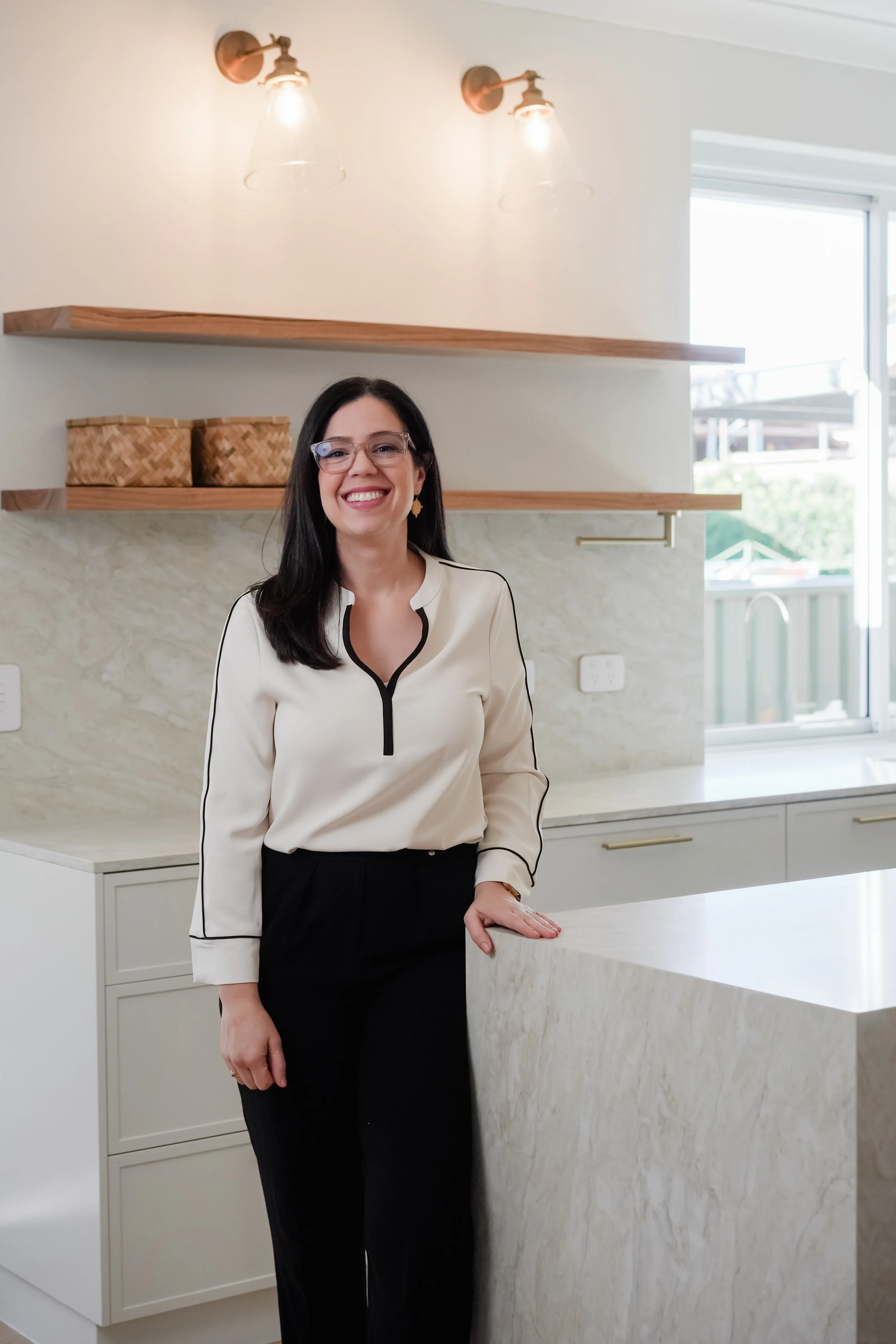
When it comes to creating a home you truly love, you deserve a designer who not only understands your vision but elevates it. With over 10 years of experience in residential and retail design, Isabella Ghaly is passionate about crafting spaces that feel both beautiful and deeply personal to you and your lifestyle.
A graduate of Interior and Spatial Design from the University of Technology Sydney, with additional expertise in Colour Design, Interior Styling, and Kitchen and Bathroom Design, Isabella brings a thoughtful, holistic approach to every project.
Her meticulous attention to detail, warm guidance, and unwavering commitment mean you can feel confident knowing your space will be tailored to your needs — and thoughtfully designed to enhance your everyday life.